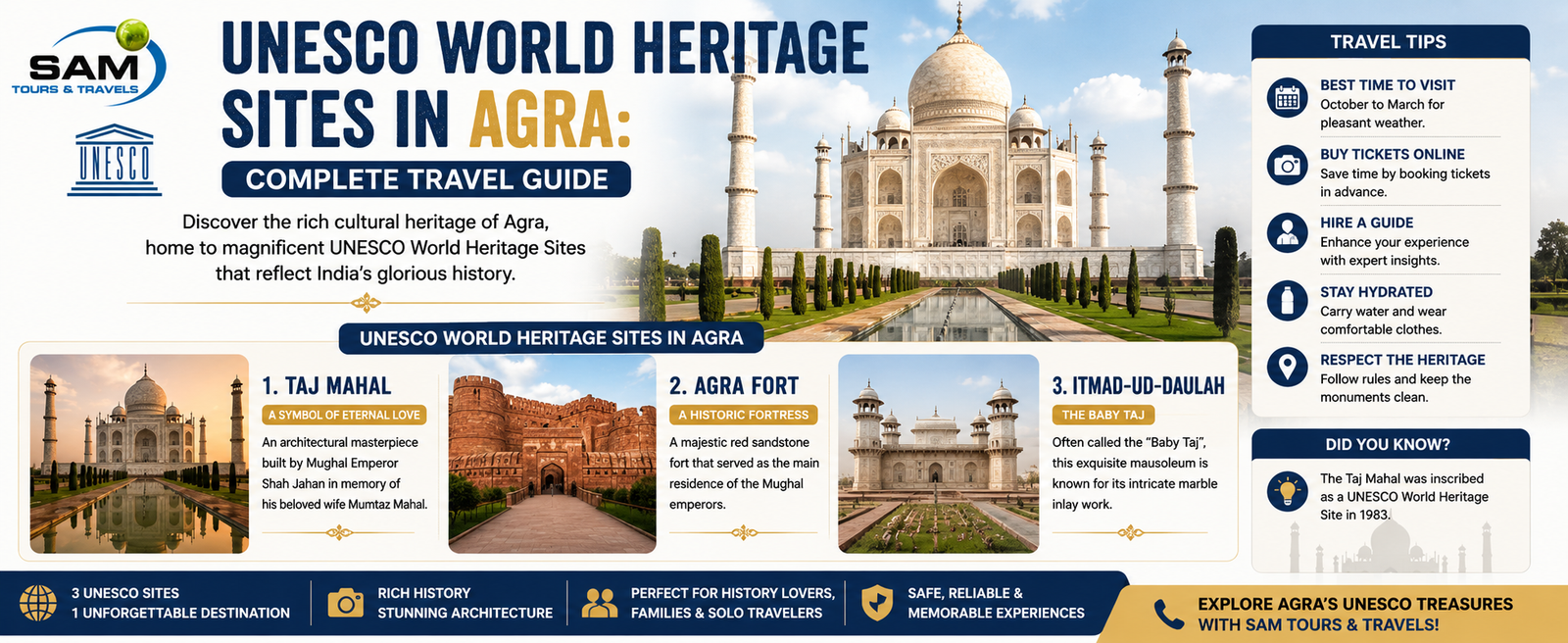
Agra is one of India’s most historically significant cities and a major destination for travelers from around the world. Known for its rich Mughal heritage, magnificent architecture, and fascinating history, Agra is home to some of the country’s most celebrated landmarks. In fact, the city boasts three UNESCO World Heritage Sites, making it one of the most important cultural destinations in India.
From the iconic Taj Mahal to the grand Agra Fort and the historic city of Fatehpur Sikri, these monuments offer visitors a glimpse into the glory of the Mughal Empire. Whether you’re a history enthusiast, architecture lover, or first-time traveler, exploring Agra’s UNESCO sites is an unforgettable experience.
Why UNESCO Recognition Matters
UNESCO World Heritage Sites are places recognized for their outstanding cultural, historical, or architectural value. These sites are protected and preserved because they are considered important to humanity as a whole.
The UNESCO sites in Agra showcase:
- Exceptional Mughal architecture
- Rich historical significance
- Cultural heritage
- Artistic excellence
- Global importance
These landmarks continue to attract millions of visitors every year.
1. Taj Mahal
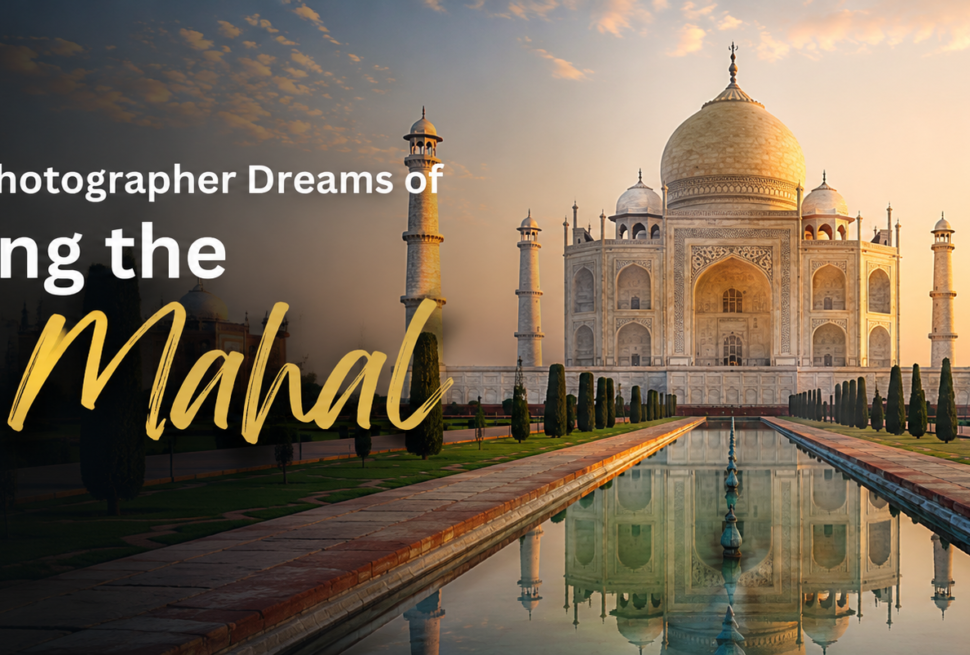
The Taj Mahal is undoubtedly the most famous monument in India and one of the most recognized landmarks in the world.
Built by Mughal Emperor Shah Jahan in memory of his beloved wife Mumtaz Mahal, the Taj Mahal stands as a symbol of eternal love and architectural perfection.
History of the Taj Mahal
Construction began in 1632 and took more than 20 years to complete.
Thousands of artisans, craftsmen, and laborers worked on the project, creating one of the greatest masterpieces in architectural history.
Architectural Highlights
The Taj Mahal is famous for:
- White Makrana marble
- Symmetrical design
- Intricate carvings
- Precious stone inlay work
- Beautiful gardens
- Reflecting pools
The monument changes color throughout the day, making every visit unique.
Why It Is a UNESCO Site
UNESCO recognized the Taj Mahal in 1983 because of its outstanding universal value and architectural brilliance.
Today, it remains one of the most visited tourist attractions in the world.
2. Agra Fort
Located just a few kilometers from the Taj Mahal, Agra Fort is another UNESCO World Heritage Site that reflects the power and grandeur of the Mughal Empire.
This massive red sandstone fortress served as the main residence of Mughal emperors for many years.
History of Agra Fort
The fort was commissioned by Emperor Akbar in 1565 and later expanded by his successors.
It played a vital role in the administration and defense of the Mughal Empire.
Major Attractions Inside Agra Fort
Visitors can explore:
- Jahangir Palace
- Diwan-i-Aam
- Diwan-i-Khas
- Musamman Burj
- Royal Courtyards
- Historic Halls
The fort also offers stunning views of the Taj Mahal.
Why It Is a UNESCO Site
UNESCO recognized Agra Fort in 1983 due to its historical significance and exceptional Mughal architecture.
The fort provides valuable insights into the political and cultural history of medieval India.
3. Fatehpur Sikri
Fatehpur Sikri is located approximately 40 kilometers from Agra and is often included in day tours of the region.
Built by Emperor Akbar in the late 16th century, this magnificent city served as the capital of the Mughal Empire for a short period.
History of Fatehpur Sikri
Akbar established Fatehpur Sikri after the birth of his son, whom he believed was blessed by the Sufi saint Sheikh Salim Chishti.
Although the city was eventually abandoned due to water shortages, its buildings remain remarkably well preserved.
Main Attractions
Visitors can explore:
- Buland Darwaza
- Jama Masjid
- Panch Mahal
- Diwan-i-Khas
- Tomb of Sheikh Salim Chishti
- Jodha Bai’s Palace
The city’s architecture reflects a unique blend of Persian, Islamic, and Indian influences.
Why It Is a UNESCO Site
UNESCO designated Fatehpur Sikri as a World Heritage Site in 1986 because of its remarkable preservation and historical significance.
Today, it remains one of the finest examples of Mughal urban planning.
Comparing Agra’s UNESCO World Heritage Sites
| Site | UNESCO Year | Famous For |
|---|---|---|
| Taj Mahal | 1983 | Symbol of Love |
| Agra Fort | 1983 | Mughal Fortress |
| Fatehpur Sikri | 1986 | Historic Mughal City |
Each site offers a unique perspective on the Mughal Empire and together they provide a comprehensive understanding of India’s rich heritage.
Best Time to Visit Agra Heritage Sites
The ideal time to explore Agra’s UNESCO monuments is between October and March.
Benefits
- Pleasant weather
- Comfortable sightseeing
- Better photography conditions
- Clear visibility
Many travelers also prefer visiting the Taj Mahal at sunrise for the most memorable experience.
Suggested Itinerary for Visiting All Three Sites
Day 1
Morning
Visit the Taj Mahal.
Late Morning
Explore Agra Fort.
Afternoon
Lunch and local sightseeing.
Evening
Visit Mehtab Bagh for sunset views.
Day 2
Morning
Travel to Fatehpur Sikri.
Afternoon
Explore the historic city and return to Agra or Delhi.
This itinerary allows visitors to fully appreciate all three UNESCO sites.
Travel Tips for Visitors
Start Early
Arriving early helps avoid crowds and heat.
Wear Comfortable Shoes
All three sites involve a considerable amount of walking.
Carry Water
Stay hydrated, especially during warmer months.
Hire a Guide
Professional guides can provide valuable historical insights.
Book Tickets in Advance
Online booking helps save time and avoid long queues.
Why Agra Is a Must-Visit Heritage Destination
Few cities in the world offer such an impressive collection of historical monuments.
Agra allows travelers to experience:
- Mughal architecture
- UNESCO World Heritage Sites
- Rich cultural history
- Iconic landmarks
- World-class photography opportunities
The city’s heritage continues to inspire millions of visitors every year.
Conclusion
The UNESCO World Heritage Sites in Agra represent some of the finest achievements of Mughal architecture and Indian history. From the timeless beauty of the Taj Mahal and the grandeur of Agra Fort to the fascinating city of Fatehpur Sikri, each site tells a unique story of power, art, and culture. Visiting these monuments offers an unforgettable journey through one of the most remarkable periods in Indian history and should be on every traveler’s bucket list.
iiiiiiiiiiiiiiiiiiiiiiiiiiiii